Solutions · Transit
Riders trust the sign. Make it worthy.
TransitPoint is real-time passenger information across your whole system, from onboard to wayside to terminal, built and supported by the people who made the displays.
Onboard
On the vehicle
Real-time arrivals & next stop
Visual and audible arrival, departure, and next-stop information for fixed route, BRT, paratransit, and rail, driven by your live feeds.
Multi-lingual audio (AVA)
AVA, our onboard announcement system, speaks in the languages your riders speak, with ambient-noise dynamic volume so it's heard over a running engine and never shouting in a quiet vehicle.
Vehicle-aware content
GPIO integration reads door status and vehicle state, so the screen can show next-stop overlays, emergency alerts, and content that knows which side the doors open.
Infotainment & advertising
Route information alongside news, weather, and an ad subsystem that turns your fleet into a revenue stream.
Rider stop request
An onboard stop-request module ties the pull-cord into the display and audio system, so all the passengers know the stop is coming.
A display for every vehicle
One of the broadest families of onboard screens in the industry, in sizes, shapes, and interfaces to fit any vehicle, from a small demand-response van to an articulated bus.
CENTRAL STATION · PLATFORM A
DEMO · --:--:--
MESSAGEPOINT MEDIA · REAL-TIME PASSENGER INFORMATION · SAMPLE DATA
MESSAGEPOINT · M-SERIES
M-Series onboard display, sized for every major US bus manufacturer.
Wayside · BRT · Stations
At the stop, on the platform
Full-matrix LED
Color LED boards, totems, and a dual-sided round pendant for streetcar and BRT corridors, from fine-pitch indoor walls to full-route outdoor arrays.
High-brightness outdoor LCD
EX Series up to 92" and 2000+ nits in landscape, portrait, superwide, and dual-sided formats, plus pedestal and triangle interactive kiosks. IK10 laminated glass and serviceable filters.
Off-grid, three ways
Solar e-ink, full-color e-paper, and transflective full-motion color LCD kiosks. No trenching, no meter. The same solar systems can power and manage shelter safety lighting, and every unit reports battery health over LTE.
Environmentally managed enclosures
Heated, cooled, and monitored enclosures that also host third-party low-voltage infrastructure. One cabinet on the platform instead of four.
Rail & streetcar · MR Series
Rolling-stock grade, by design
Engineered to EN 50155:2021
The MR Series is engineered to EN 50155:2021 and EN 50121-3-2 across all models, EMC testing complete: vestibule, saloon, and ultrawide route map. Rolling-stock grade by design.
Built at agencies' request
The MR Series exists because a major US agency asked us to build rail displays the market wasn't offering. Spec sheets and CAD available on request.
Every consist architecture
Single-vehicle controller, central encoder with multicast to embedded ARM displays, or a hybrid of the two. We match the architecture to your fleet, not the other way around.
MR16vs vestibule · MR27vs saloon · MR28uws overhead banner.Request the spec sheets.
The data behind the sign
Your feeds, made trustworthy
A hosted real-time engine ingests your feeds on a 20-second cycle, reconciles them against schedule data, and derives the arrival, next-stop, and transfer information your riders actually need, then publishes it to every display over encrypted MQTT.
When service changes, the engine handles trip modifications too: temporary stops and temporary route-map changes flow straight to the displays, and AVA announces when a vehicle leaves its normal route and when it returns.
About the data engine→Every rider, their language
Press the button. The screen changes language too.
The platform is multilingual in both directions: not just the announcement, but the display. Departures, headers, and instructions all render in the selected language, and the audio follows. Text-to-speech covers north of 37 output languages. Spanish, French, and Chinese are running for riders today.
Language is chosen by a physical switch on the ADA call box, not a menu or an app: a second button for a second language, a third for a third. The rider who needs it is the one least likely to navigate an English screen to find it, so they never have to.
Proven in the field
A downtown loop shuttle ran a call box with three buttons, English, Spanish, and Chinese, for a heavily international ridership.
Screen and speaker both switched with the button. The project has since retired, but it ran that way in daily service for four years.
Audio & accessibility
We choose what to look at. We don't choose what to hear.
Audio reaches the rider who isn't looking at the screen, the rider who can't see it, and the rider who doesn't read English. So we treat accessibility and effective communication as the same goal, not a compliance box. Text-to-speech runs in software on the controller, no separate module, and audio applications run as equal peers to the visual ones.
It starts with an ADA push button on nearly every display: a physical switch, glove-compatible and vandal-resistant, usable by riders with motor impairments, where a touchscreen would fail outdoors. The same interface carries the extra switches that drive multilingual selection.
Smart public address
The display drives its own speakers, or a full 70-volt PA across an entire BRT or rail platform canopy.
Context-aware announcements
In a busy terminal the system condenses to deliver faster; with fewer routes it announces more completely. It knows how much it can say in the time it has.
Service alerts, spoken
Stop- and route-specific alerts generated from real-time data, with alert priorities so a disruption outranks a routine message on its own.
Emergency alerting
Driven from Common Alerting Protocol, webhooks, a mobile app, or a web app for authorized staff, or tied into the agency's existing security systems.
Revenue
The display is already paid for. The question is whether it also pays.
A network of displays you've already bought is a revenue asset most agencies never use. The platform supports both programmatic and directly-sold advertising, and the ad inventory can fund the passenger information itself. Advertising shares screen space with real-time updates, route maps, and alerts; it never displaces them, and accessibility content is never negotiable against inventory.
Local first
The same screen that tells a rider when the bus arrives can show what's open on the block. Access to inventory reaches local, minority-owned, and community businesses, not just national buyers, alongside public-service and NGO messages.
Proof of play
Detailed reporting on impressions, engagement, and reach, with audience-engagement analysis, so inventory sells on evidence rather than assertion, and the agency controls who appears.
The value equation
Better Information = Smoother Rides + Happier Passengers + New Revenue. For an agency facing a capital request, inventory that offsets operating cost turns spending into funding.
Terminals · Dynamic bay assignment
"Route 18 is now arriving in Bay 3"
At intermodal terminals, buses don't live at fixed bays. MPM's dynamic bay assignment service takes commands straight from your CAD/AVL dispatch, verifies live departure times, and updates every bay display and PA speaker in about a second. Arrivals, departures, bay changes, route changeovers, and "do not board" out-of-service warnings are all spoken and shown automatically.
BAY 3 · DISPLAY
Ensley · Wylam · Fairfield
Arriving in 5 min · departing as Route 20
🔊 "ATTENTION PASSENGERS, ROUTE 18 IS ARRIVING IN BAY 3"
Beyond the display
The whole station, one partner
Touch-screen kiosks
Wayfinding and trip planning at the station, with routing handed off to the rider's phone.
Emergency call-box
Integrated cellular emergency call points at stops and platforms.
Camera & sensor platforms
Integrated camera and sensor packages for remote security and monitoring at unstaffed locations.
ADA by design
Audible announcements, contrast, and mounting heights engineered for compliance from the start, with Braille plates and outdoor ADA switch boxes in the catalog.
In revenue service
Not renders. Deployments.
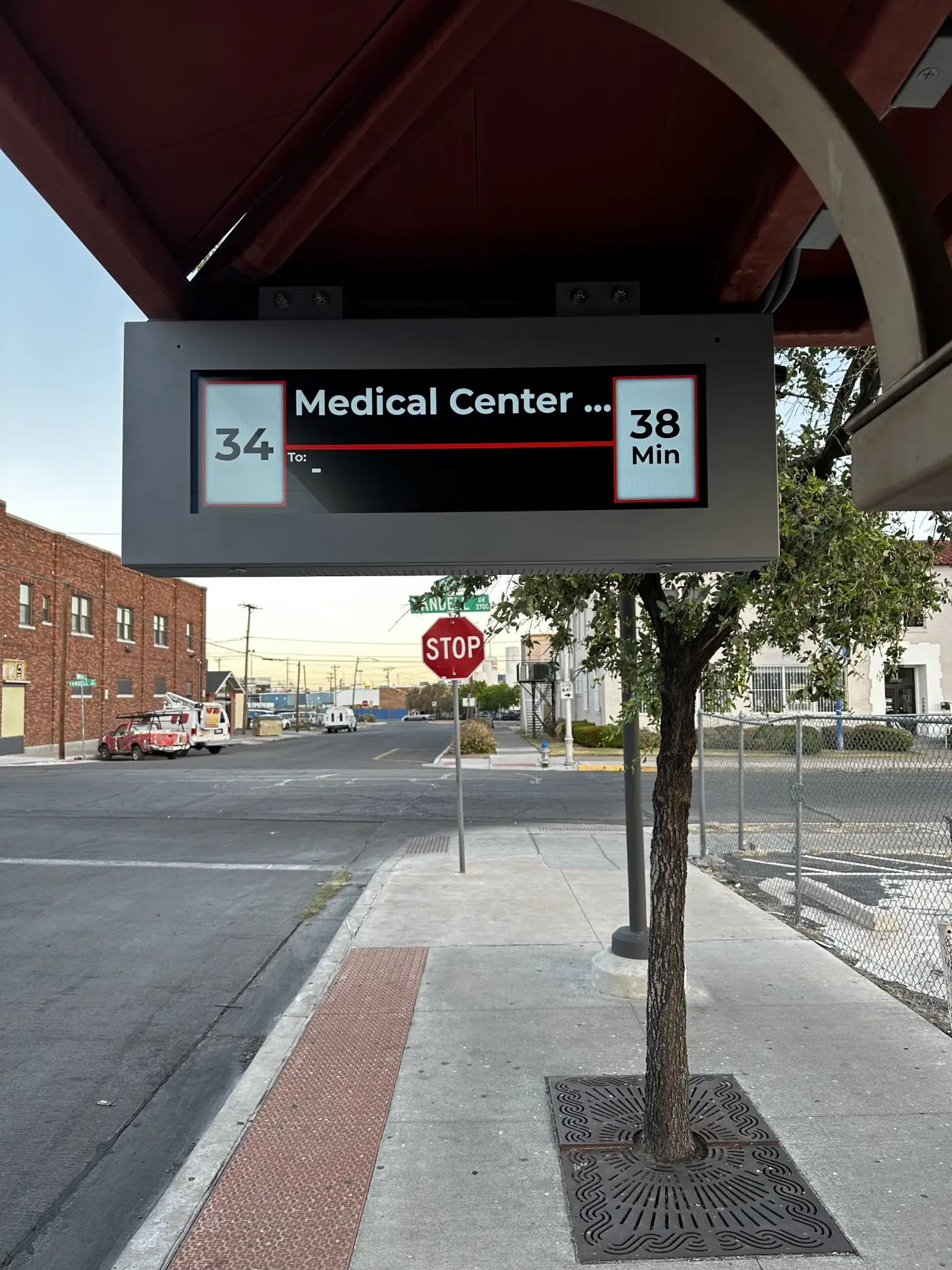
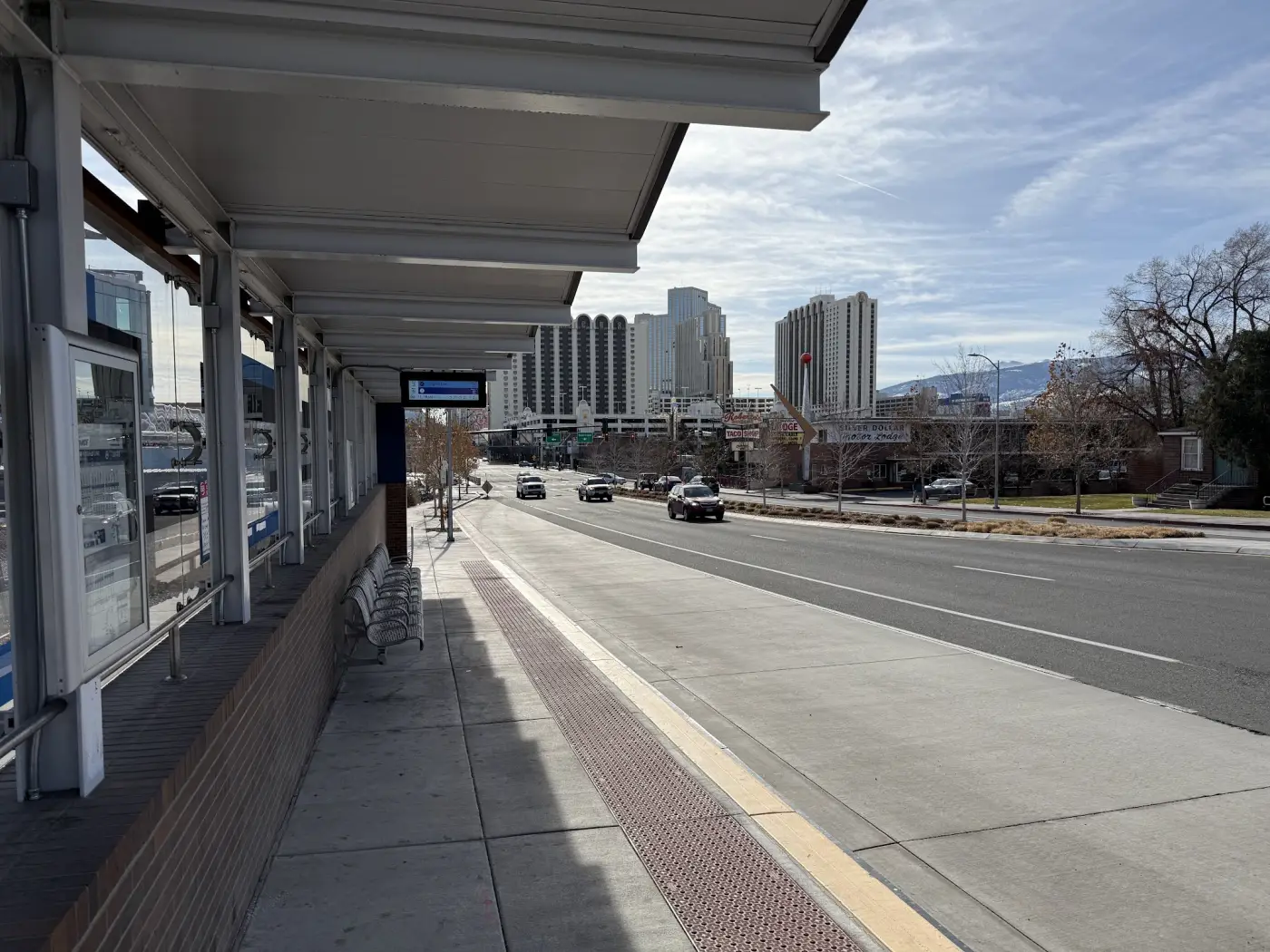
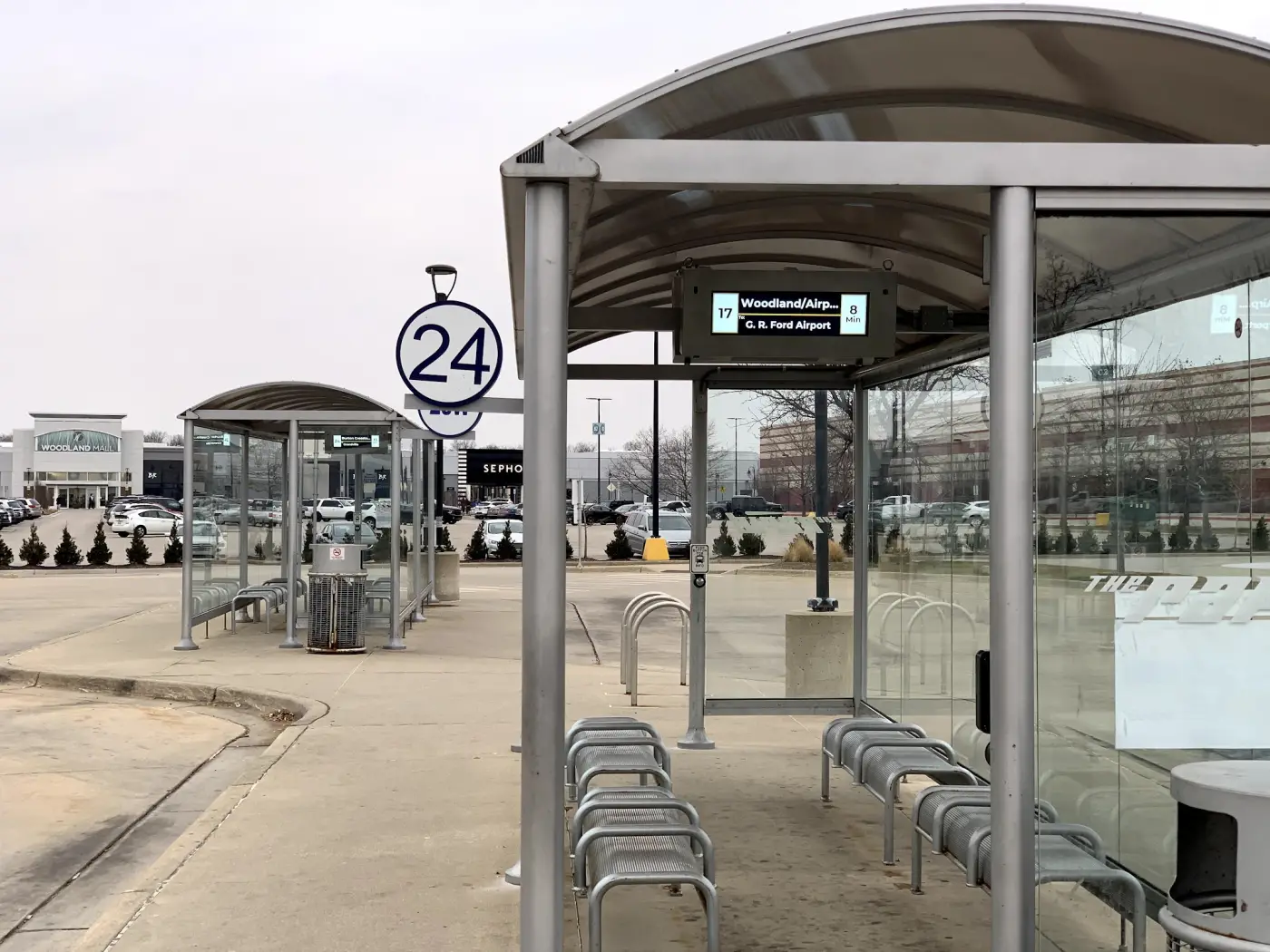
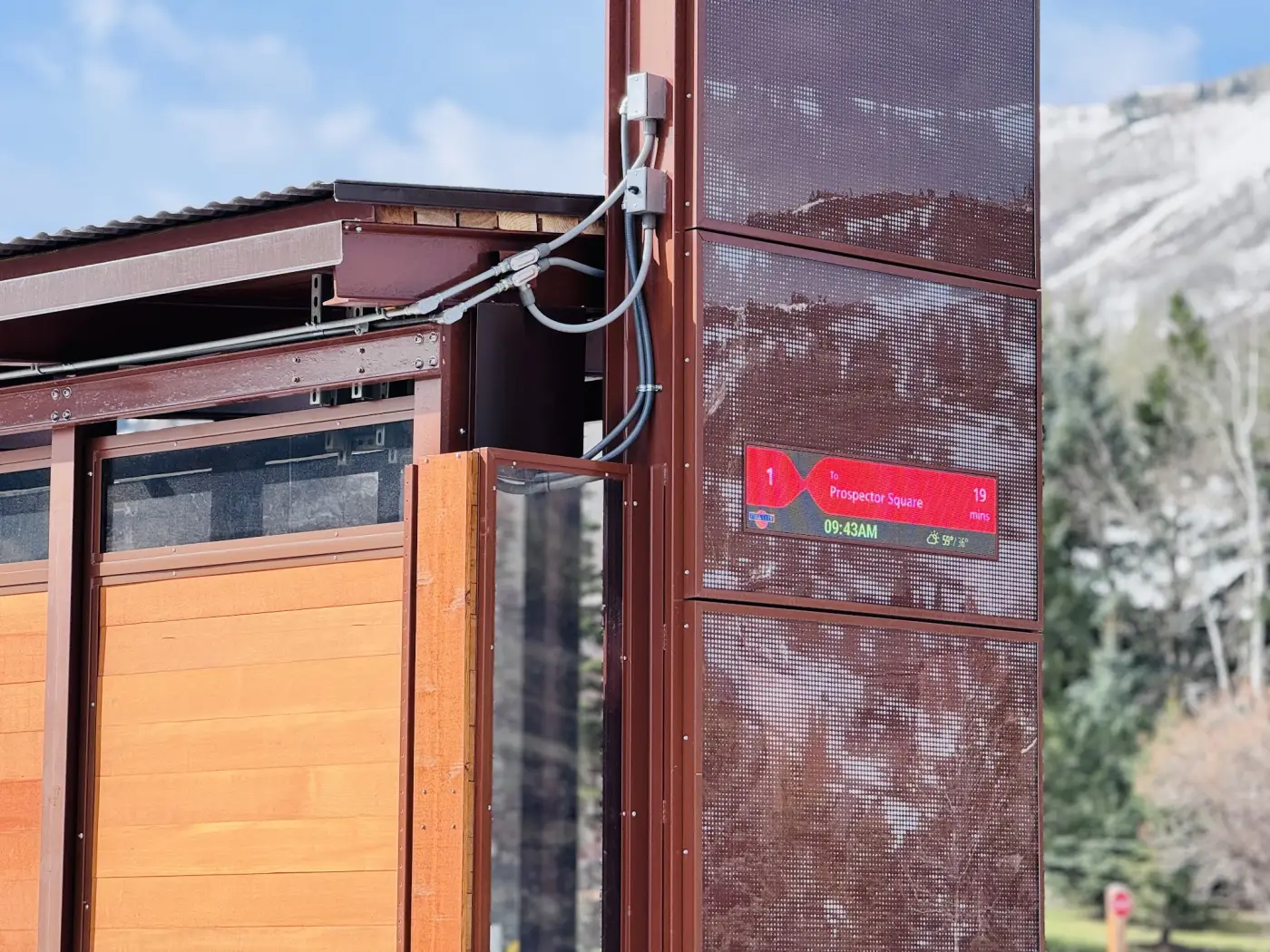
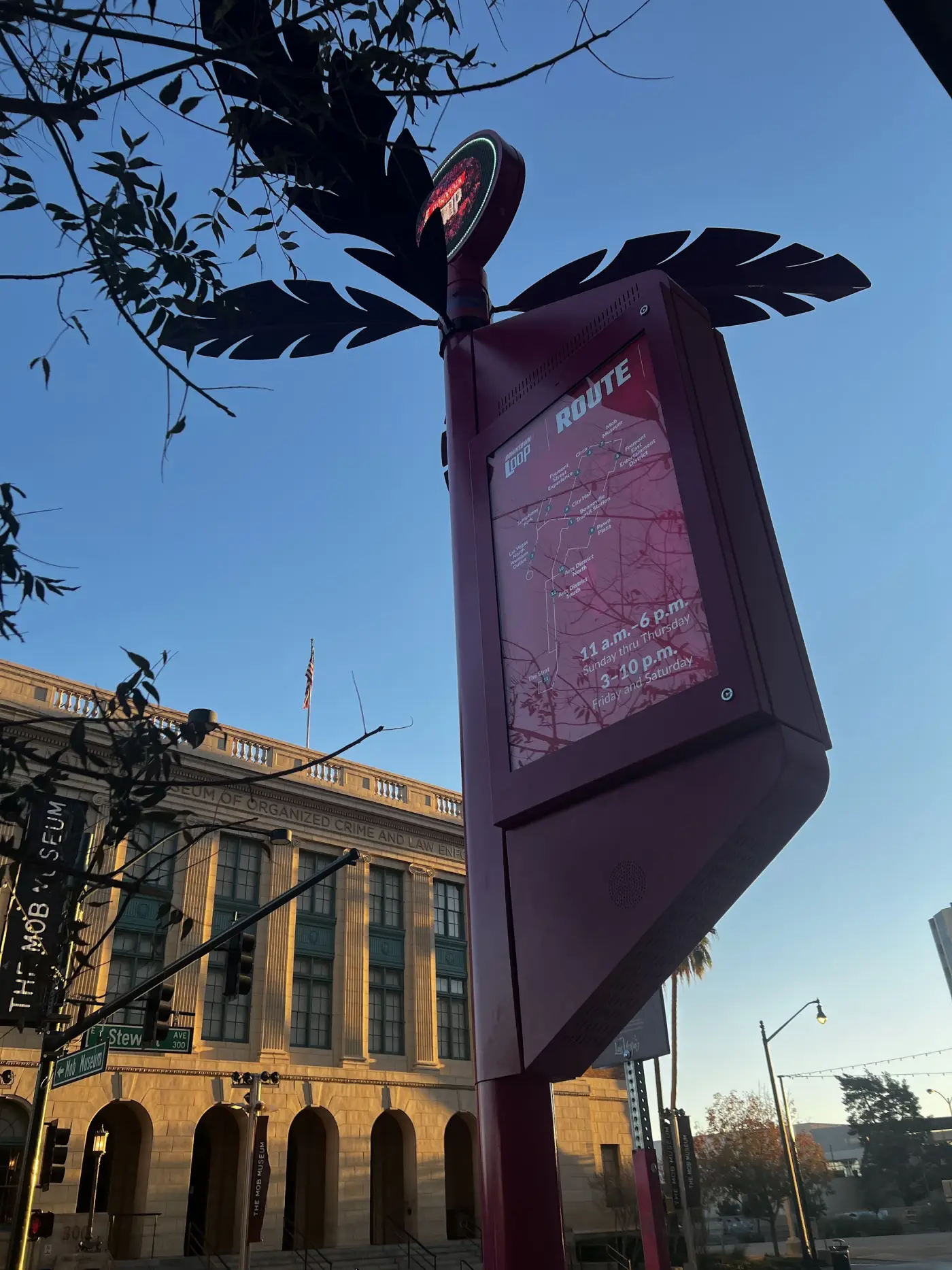
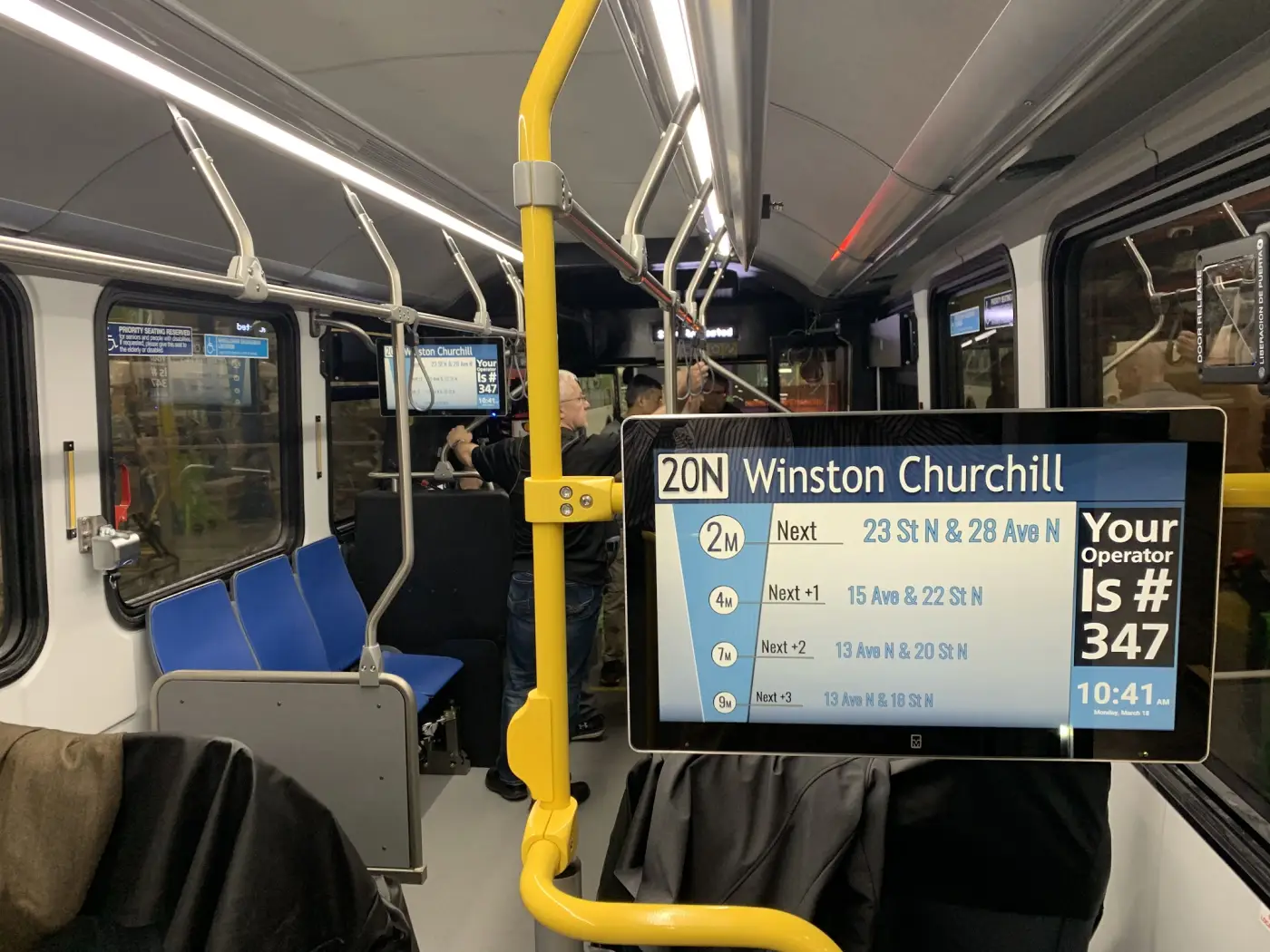
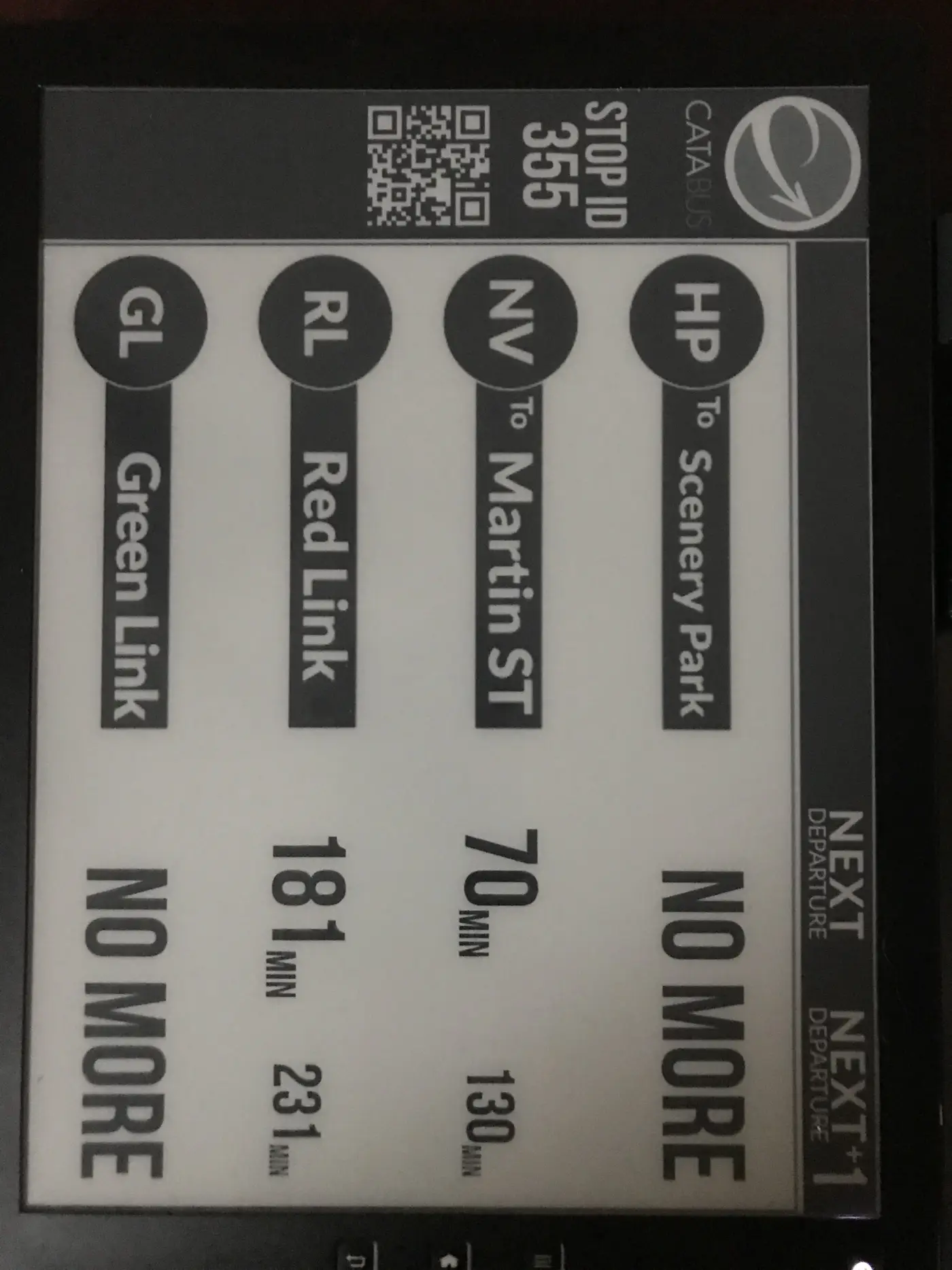
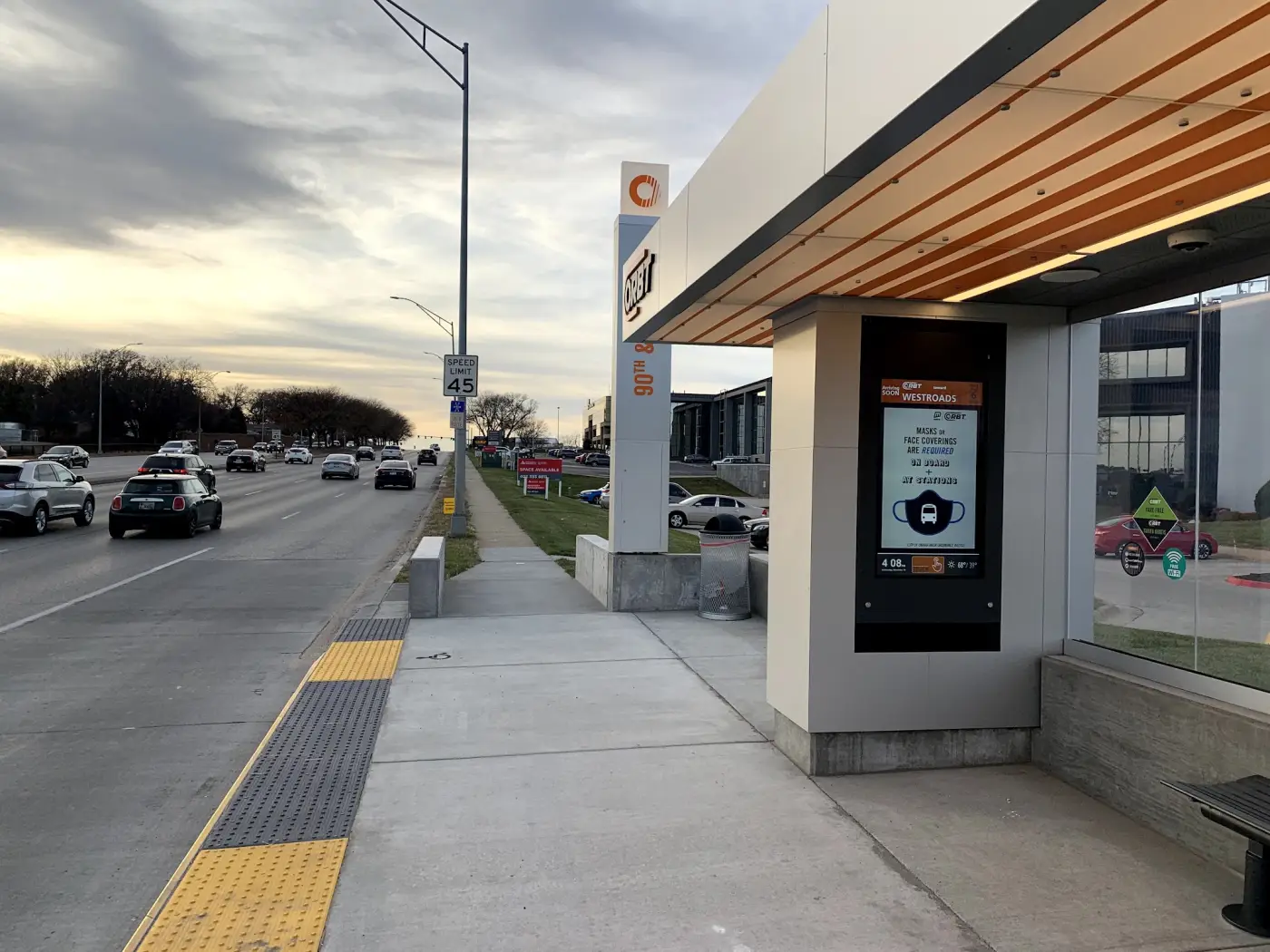
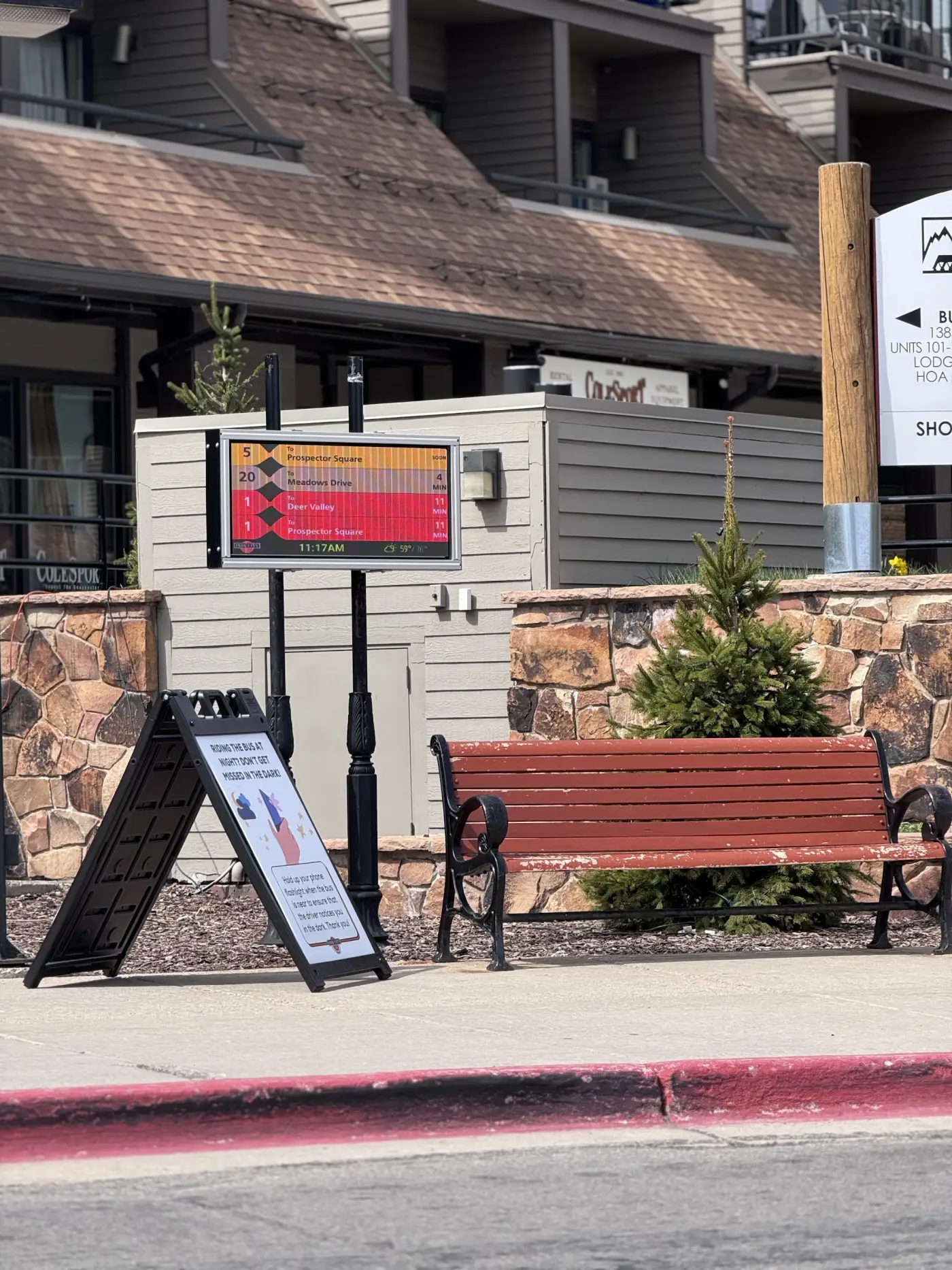
Photography from MPM project deployments. Agency-named case studies are published with each client's sign-off. Ask for references.
See TransitPoint with your routes
We'll stand up a live demo against your GTFS feed. Your stops, your vehicles, your data.
Request a demo